Sony Wants You To Smell the Burger Ads You Drive Past
The filing describes ad-triggered smells aimed at specific seats after an interior camera estimates riders’ age and gender.


Last updated Nov 9, 2026
All About Cookies is an independent, advertising-supported website. Some of the offers that appear on this site are from third-party advertisers from which All About Cookies receives compensation. This compensation may impact how and where products appear on this site (including, for example, the order in which they appear).
All About Cookies does not include all financial or credit offers that might be available to consumers nor do we include all companies or all available products. Information is accurate as of the publishing date and has not been provided or endorsed by the advertiser.
The All About Cookies editorial team strives to provide accurate, in-depth information and reviews to help you, our reader, make online privacy decisions with confidence. Here's what you can expect from us:
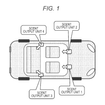
Imagine passing a Burger King billboard and your car briefly smells like a Whopper. Sony just applied for a patent that would do exactly that: detect ads near a vehicle then pump associated scents right into the cabin.[1]
And it gets worse. The proposed setup would also use an interior camera to estimate each rider’s age and gender, then use that decide which seats receive the smell.[2]
The good news is this is just a proposed patent, which means it's miles away from even being built, and may never come to fruition at all. Still, the fact that a massive company like Sony is even considering something like this is telling of how far companies are willing to go for advertisement.
The USPTO filing lists Sony Group Corporation as the applicant who filed on July 7, 2026.
Its core claim describes a scent output unit and a control unit that “selects a scent to be output on a basis of an advertisement” and sends it through the scent unit. The abstract describes choosing a scent based on an ad detected from an image captured by a vehicle exterior camera.
In one example, Patentlyze reported that a vehicle spots a registered burger billboard and releases a hamburger scent from a built-in unit. The scent hardware can include cartridges and a blower that pushes scented air toward a seat.
The filing isn’t limited to billboards. The proposed system can also work with ads playing on a TV, radio, or phone in the car, including by matching a channel, website, or airtime.
It can also use more context before releasing a smell. A vehicle-facing exterior camera could detect ads such as signboards, displays, and digital signs, then check a scent management server for registered ads. The system can compare the ad’s position and direction with the vehicle’s GPS location before deciding whether to release a scent.
In the patent application, the proposed system can use an interior camera to estimate each rider’s gender and age.
Registered ad entries can include validity dates, allowed times of day, a rider profile, and a scent duration such as 30 seconds. Those rules can determine which seats receive the scent.
The proposed system is described as detecting a billboard outside the car, reading who is sitting inside, matching that information to ad rules, and aiming the output by seat. The scent could even become stronger as the vehicle gets closer to a sign. It also doesn’t mention a way to switch the system off.
The filing says taxi companies and other carriers could collect an advertising fee from advertisers for scent placements. If a system like this were ever built into taxis, ride-hail vehicles, or internet-connected cars, passengers would have no choice but to endure this next-level advertisement.
This is still a patent application, not a Sony product announcement. The application status is “Waiting for an examiner,” and a published patent application doesn’t mean Sony has built, announced, or will ever sell a car scent advertising product.
The filing also describes non-ad examples. A vehicle could release a signature scent when the engine starts or a rider’s preferred scent when they get into a taxi.
Those examples show the filing is broader than burger billboards. At the same time, the ad examples are explicit enough to raise a plain question for future vehicles: Will riders get clear control if cars start using cameras, location, media activity, and scent hardware to deliver sensory ads?
Sony’s filing points to a future where cars could turn ads into smells, and where the bigger privacy issue is the camera watching who is in each seat.
For now, there’s no Sony car scent ad product to opt out of. This is a published patent application, not a rollout, but it shows how in-car advertising could become more personal if systems like this ever make it into real vehicles.

 Top-rated data removal service that scrubs your info from 420+ data broker sites automatically
Independently verified by Deloitte, meaning removals are actually sent, confirmed, and not just claimed
The Unlimited plan extends coverage to 2,000+ additional sites with human-assisted custom removals